
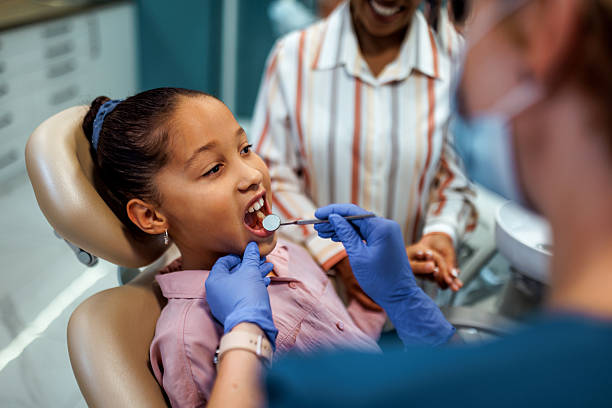
How to Care for Your Child’s Teeth at Every Age: A Pediatric Dentist’s Guide for Spartanburg & Moore Families
A baby’s first tooth, a six-year-old’s new molars, and a teenager’s busy schedule all call for different dental care.
Oral hygiene for kids by age starts in infancy and shifts as teeth erupt and touch, coordination improves, and permanent teeth arrive. Children’s oral hygiene is not one fixed routine. This guide covers infancy, toddlerhood, preschool, elementary school, the preteen years, and adolescence.
As a pediatric dentist serving Spartanburg County from offices in Spartanburg and Moore, SC, we tailor children’s dental care to each stage.
Use the age-by-age guide below to see which tasks to do yourself, which to supervise, and when your child can take on more responsibility.
Children’s Oral Hygiene by Age: What Changes From Infancy to the Teen Years?
Dental care for kids by age follows a clear pattern: parents start out doing everything, then hand off the work as skills develop.
| Age/Stage | What Is Happening | Main Priority | Parent’s Role | Added Preventive Needs |
|---|---|---|---|---|
| Before First Tooth | Gums only | Gentle gum wiping | Full responsibility | Plan the first dental visit |
| First Tooth to 2 Years | Baby teeth erupting | Brush with a rice-sized smear of fluoride toothpaste | Full assistance | Floss once teeth touch |
| 3 to 5 Years | Full set of baby teeth | Consistent brushing with a pea-sized amount; clean touching teeth | Hands-on assistance | Professional fluoride as recommended |
| 6 to 8 Years | First permanent molars arrive | Protect new molars; keep cleaning thorough | Assistance and supervision | Sealant evaluation |
| 9 to 12 Years | More permanent teeth | Build independence; watch hard-to-reach areas | Verify and help as needed | Cleaning around braces for some |
| 13 to 18 Years | Mostly permanent teeth | Steady routines around braces, diet, and schedules | Support and periodic oversight | Ongoing preventive visits |
Ages are approximate, since development and cleaning ability vary. At every stage, the goal of oral hygiene for children is the same: hand over responsibility gradually without letting quality slip. Pediatric preventive dental care supports each step.
Oral Hygiene for Babies Before Their First Tooth Appears
Oral care can start before the first tooth, helping your baby get used to having their mouth cleaned.
How to Care for a Baby’s Gums Before Teeth Come In
Gently wipe your baby’s gums with a clean, soft, damp cloth once or twice a day, without scrubbing. This does not prevent cavities, since there are no teeth yet. It does give you a regular look for anything unusual to mention at checkups.
When Do Babies Usually Start Getting Their First Teeth?
Many babies get their first tooth around 6 months, though earlier or later is normal. Once it appears, gum wiping gives way to brushing.
When Should Parents Schedule a Baby’s First Pediatric Dental Visit?
The AAPD recommends a first dental visit when the first tooth appears and no later than the first birthday. This preventive visit reviews oral development, answers feeding and home-care questions, teaches parents to clean new teeth, and begins risk assessment. Our guide to your baby’s first dental visit explains what to expect.
Dental Care for Infants and Toddlers: From the First Tooth to Age 2
Teeth need daily cleaning from the moment they appear, even before your child can cooperate. At this stage, infant dental care and toddler oral hygiene are a parent’s job.
When Should You Start Brushing a Baby’s Teeth?
Baby teeth brushing starts the day the first tooth appears. Brush twice a day, morning and bedtime, with a soft toothbrush sized for babies. You do all the brushing.
How Much Fluoride Toothpaste Should Babies and Toddlers Use?
The American Dental Association recommends a smear of fluoride toothpaste about the size of a grain of rice for children under 3. Dispense it yourself, keep the tube out of reach, wipe away extra foam, and supervise every brushing. This small amount protects teeth while limiting swallowed fluoride.
How to Brush a Toddler’s Teeth When They Will Not Sit Still
Many toddlers resist brushing. Try a stable, comfortable position, like your child’s head resting in your lap. Keep the routine short and predictable, let your child hold a second brush, and give them a brief turn before you finish. Praise any cooperation, and never force a struggling child’s mouth open. If brushing stays a battle, a pediatric dentist for toddlers can suggest strategies.
Why Bedtime Brushing Matters for Baby Teeth
Saliva flow drops during sleep, so plaque and food can sit on teeth for hours. Brush before bed and skip sugary drinks afterward. Breastfeeding itself does not automatically cause decay, but ask your pediatrician and pediatric dentist about nighttime feeding.
When Should Toddlers Begin Flossing Their Teeth?
Start flossing once neighboring teeth touch closely enough that a brush cannot clean between them, which depends on contact, not age. Parents do the flossing at first. Our guide on when kids should start flossing explains how to spot that point.
Oral Hygiene for Preschoolers Ages 3–5: Building Independent Habits Safely
Between ages 3 and 5, the focus shifts to building consistent habits. Preschoolers want to brush alone before they can do it thoroughly, so preschool oral hygiene is a shared job.
How Much Toothpaste Should Children Ages 3–5 Use?
When brushing teeth for 3- and 4-year-olds, switch to a pea-sized amount of fluoride toothpaste. Keep dispensing it yourself, supervise, and teach your child to spit out the extra instead of swallowing it.
Why Preschoolers Still Need Parents to Brush Their Teeth
Taking part in brushing is not the same as cleaning well. Preschoolers tend to rush, clean only the front teeth, miss the gumline and back molars, and press unevenly. Let your child brush first for practice, then finish or check the job yourself.
How to Teach Young Children the Right Brushing Technique
Keep it simple: a soft-bristled brush, small gentle movements, and every surface, including the outside, inside, chewing surfaces, back teeth, and gumline. Skip complex adult techniques that are hard for young children to copy.
How to Make Brushing a Consistent Morning and Bedtime Habit
Brush at the same times each morning and night, and use a two-minute song or timer. Brushing together as a family and using a simple picture chart also help. Reward participation, not perfection. A predictable routine makes dental care for preschoolers easier to sustain.
Why Preschoolers May Need Help Cleaning Between Their Teeth
More baby teeth touch by this age, and plaque collects where a brush cannot reach. Flossing is still mostly a parent’s job, though floss picks can make it easier.
Dental Hygiene for Kids Ages 6–8: Protecting the First Permanent Teeth
Around age 6, most children enter mixed dentition, when baby and permanent teeth share the mouth. For dental hygiene for 6-year-olds, the biggest change is the first permanent molars. Your pediatric dental team also tracks bite changes, covered in our article on monitoring dental and jaw development.
Why Six-Year Molars Need Special Brushing Attention
First permanent molars usually erupt behind the last baby molars without replacing any tooth, so many parents miss them. They sit at the very back, where brushes often miss. Their deep pits and fissures collect plaque, especially while gum tissue still partly covers them. These are permanent teeth, so permanent molar care starts the day they appear.
How to Brush Around Loose Baby Teeth and Emerging Adult Teeth
Mixed dentition oral hygiene means brushing around loose baby teeth, uneven heights, partly erupted adult teeth, and tender spots. Brush gently but thoroughly, since skipping a loose tooth lets plaque build up beside the new one.
When Can School-Age Children Start Brushing Their Teeth Independently?
Readiness depends on coordination, attention, consistency, and whether your child actually leaves teeth clean, not on age. Dental care for 7-year-olds often still includes substantial help, and some children need it past 8. Watch your child brush, then check the back molars and gumline yourself.
How Dental Sealants Can Support Permanent Molar Protection
Your pediatric dentist may recommend sealants for eligible permanent molars. These thin coatings cover deep grooves but do not replace brushing or flossing. Our guide to sealants for permanent molars explains when they help most.
Why School-Age Children Need to Continue Daily Flossing
As teeth change, new contact points create more places for plaque to hide. Most children this age still need an adult to floss for them or check their work.
Oral Hygiene for Preteens Ages 9–12: Building Better Brushing and Flossing Independence
The preteen years bring more permanent teeth and more responsibility. Better coordination helps, but it does not guarantee consistent preteen oral hygiene.
How to Know If Your Child Is Brushing Thoroughly Without Help
Signs your child can brush independently include consistently clean back teeth, all surfaces reached, about two minutes of brushing, and the right toothpaste amount. Checkups showing good plaque control confirm it, and at each children’s preventive dentistry visit.
Why Flossing Remains Important as More Permanent Teeth Erupt
Premolars and other permanent teeth arrive between 9 and 12, shifting contact points and adding crowded spots where plaque hides. Dental hygiene for 11-year-olds should include daily flossing, done more independently but still checked by a caregiver.
How Snacks, School Lunches, and Sports Drinks Affect Preteen Oral Health
Preteens choose more of their own food and drinks. Sipping sports drinks through practice or snacking all afternoon keeps teeth under repeated acid attack. Water as the default and set snack times help. Our tips for helping prevent cavities in kids cover more strategies.
How Braces and Orthodontic Appliances Can Change Cleaning Needs
Braces add brackets and wires that trap plaque. Brush above and below each bracket, clean along the wires, and use the interdental tools and instructions your child’s orthodontist and pediatric dentist recommend.
Teen Dental Hygiene Ages 13–18: Maintaining Healthy Teeth With Greater Independence
By the teen years, oral care shifts from parent-managed to teen-managed. Most teens know how to brush and floss. The challenge is keeping teen dental care consistent around school, sports, appliances, and diet.
Why Teenagers Still Need Consistent Brushing and Flossing
Permanent teeth need lifelong care. Teenage oral hygiene still means brushing twice a day with fluoride toothpaste, cleaning between teeth daily, and keeping up with preventive visits. Pediatric dental care for teenagers supports adolescent dental health through these years.
How Braces, Retainers, and Aligners Can Affect Oral Hygiene
Orthodontic appliances add places for plaque to hide. Brush carefully around brackets and wires, clean retainers and aligners as your orthodontist instructs, and brush after meals when possible.
How Sugary Drinks and Energy Drinks Can Affect Teen Teeth
Soda, sports drinks, and energy drinks can carry sugar that feeds plaque and acid that erodes enamel, a related but separate problem from cavities. Sipping over hours keeps teeth exposed far longer than finishing a drink with a meal.
Why Busy Schedules Can Lead to Missed Oral Hygiene Routines
School, sports, travel, studying, and social events make routines easy to skip. Simple fixes help: a predictable bedtime routine, phone reminders, replacing worn toothbrushes, and keeping dental visits on the calendar.
When Should Teens Transition From Pediatric to Adult Dental Care?
There is no universal age to switch to a general dentist. Timing depends on your teen’s needs, practice policies, and the dentist’s recommendation. Many teens stay with a familiar teen dentist through high school for continuity of care.
Brushing and Flossing Milestones: When Should Parents Stop Helping?
Independence comes gradually, and it depends on skill rather than age.
Why Brushing Independence Depends on Coordination, Not Only Age
Holding a toothbrush is not the same as removing plaque. Step back once your child reaches the molars, brushes long enough, and uses the right toothpaste amount.
When Can Children Floss Without Their Parents’ Help?
Flossing usually takes longer to master, and some children need help into the later elementary years. Keep checking, and ask your pediatric dentist if you are unsure.
How Parents Can Check Whether a Child’s Teeth Are Being Cleaned Effectively
Watch your child brush now and then and look for missed areas. A picture routine helps younger kids, and the dental team can demonstrate technique. A quick look is enough; skip scraping or home plaque tools.
Common Oral Hygiene Mistakes Parents Should Avoid at Different Ages
Most mistakes come from good intentions or busy schedules, and each has a simple fix.
Using Too Much Toothpaste for Babies or Young Children
Young children swallow much of their toothpaste, and too much fluoride while teeth form can cause fluorosis. Dispense a rice-sized smear under age 3 and a pea-sized amount from 3 to 6.
Letting Kids Brush Alone Before They Can Clean Effectively
Handing over brushing too early leaves plaque on back teeth and the gumline. Keep checking until your child leaves teeth clean alone.
Forgetting to Brush Newly Erupted Back Molars
New permanent molars come in behind the baby teeth, so families often miss them. Around age 6, angle the brush to the very back.
Waiting Too Long to Start Flossing Touching Teeth
Waiting for a birthday leaves plaque between touching teeth. Start flossing as soon as teeth touch.
Treating Baby Teeth as Less Important Than Permanent Teeth
Baby teeth help children chew, speak, and stay comfortable, and they hold space for permanent teeth. Decay in them can still cause pain or infection.
Skipping Preventive Visits Because a Child Has No Tooth Pain
Early decay often causes no pain, so problems can grow before a child complains. Routine cleanings and exams catch them early.
How Pediatric Dental Visits Support Healthy Oral Hygiene at Every Age
Pediatric dental exams and cleanings shift focus as your child grows, supporting the home routine at each stage.
Infant and Toddler Visits: Teaching Parents Early Dental Care
Early visits monitor eruption, teach parents to clean new teeth, begin risk assessment, and cover feeding and home-care questions.
Preschool and School-Age Visits: Reviewing Cleaning Habits
Visits check brushing effectiveness, plaque buildup, tooth contacts, fluoride exposure, and sealant eligibility. Our guide to professional fluoride treatments for kids covers benefits and safety.
Preteen and Teen Visits: Supporting Independent Dental Hygiene
Your pediatric dentist talks directly with older kids about personal responsibility, food and drink habits, braces cleaning, and long-term planning.
How Pediatric Dentists Adjust Preventive Care to Each Child’s Needs
Recommendations vary with cavity risk, dental development, cleaning effectiveness, medical needs, and exam findings. Children with higher individual cavity risk may need extra support. That flexibility is at the heart of preventive dental care for children at Foothills Pediatric Dentistry.
Frequently Asked Questions About Children’s Oral Hygiene by Age
At what age can children brush their teeth by themselves?
There is no exact age. Readiness depends on coordination and whether a child consistently leaves teeth clean. Many children still need help or close supervision through ages 7 or 8, and some need it longer. Check the back molars until they stay clean.
Should children brush before or after breakfast?
Either works, as long as your child brushes twice a day with fluoride toothpaste. If breakfast includes acidic foods or drinks like orange juice, many dentists suggest waiting about an hour, since acid briefly softens enamel. Choose the routine your family can keep.
Are electric toothbrushes appropriate for children?
Yes, an age-appropriate electric toothbrush can work well, and some kids enjoy it more. It does not replace technique, though. Children still need to reach every surface for about two minutes, and young children need the same parent help.
Do children need mouthwash as part of their oral hygiene routine?
Mouthwash is not required for most children, especially young ones who may swallow it. Fluoride toothpaste and cleaning between teeth do the main work. Fluoride rinses may help some older children at higher risk, but only when their dentist recommends one.
Do teenagers still need pediatric dental visits?
Many teenagers keep seeing a pediatric dentist through high school. Pediatric dentists train specifically in caring for children and adolescents. When to switch depends on each teen’s needs, practice policies, and the dentist’s recommendation, with no single required age.
How often should children have preventive dental appointments?
The right schedule depends on your child’s health history and cavity risk. Higher-risk children may need more frequent visits. Your pediatric dentist will recommend an interval, and our guide to the typical checkup schedule explains how dentists set it.
Help Your Child Build Healthy Dental Habits With Foothills Pediatric Dentistry in Spartanburg & Moore, SC
From first baby teeth to a full set of permanent teeth, the habits that matter change at each stage. At Foothills Pediatric Dentistry, children’s dental care includes guidance on brushing technique, flossing readiness, fluoride, and dental development.
Visit our pediatric dental office in Spartanburg or our Moore, SC location. When you schedule your child’s preventive dental visit, bring questions about their current stage, and we will shape their pediatric preventive dental care around it.

